

Implications for Diverted Profits Tax & RWHT of PepsiCo Tax Case

The recent PepsiCo vs Commissioner of Taxation case is one of the most significant developments in Australian tax law in recent years. It addresses two critical issues, royalty withholding tax (RWHT) and Diverted Profits Tax (DPT), in the context of complex arrangements involving intellectual property (IP) and independent third-party bottling agreements. The High Court’s decision provides valuable guidance for multinational businesses on how payments connected to the use of intangibles should be characterised and taxed in Australia. Background of the PepsiCo Tax Case in Australia The PepsiCo group runs a global beverage business. Several US-resident subsidiaries own key intellectual property (IP) for brands such as Pepsi, Mountain Dew, and Gatorade. In 2009, PepsiCo updated its exclusive bottling agreements (EBAs) with an independent Australian bottler. These allowed the bottler to make, market, and distribute PepsiCo drinks in Australia, while separate agreements covered marketing and advertising. The bottler was not part of the PepsiCo group. Under the EBAs: PepsiCo, or a related entity, supplied concentrate to the bottler, who mixed it with other ingredients to produce finished beverages for sale in Australia. PepsiCo granted the bottler rights to use its IP and packaging, with strict controls on how the IP could be used. The bottler bought concentrate from PepsiCo Beverage Singapore (PBS). For the 2018 and 2019 years: PBS acquired concentrate from another PepsiCo entity, processed orders from the bottler, issued invoices, and shipped the concentrate for local production. Two sets of proceedings followed: Under the Judiciary Act 1903 (Cth), PepsiCo sought a declaration that it was not liable for royalty withholding tax (RWHT). Under the Taxation Administration Act 1953 (Cth), it challenged Diverted Profits Tax (DPT) assessments. On 30 November 2023, Justice Moshinsky found for the Commissioner on both issues. The Full Federal Court later ruled for the taxpayers, but the Commissioner appealed. The PepsiCo vs Commissioner of Taxation matter was heard in the High Court on 2–3 April 2025, raising important questions on use of intangibles and Australia’s DPT rules. Key Issues Before the High Court The PepsiCo vs Commissioner of Taxation appeal raised two main questions: Royalty Withholding Tax (RWHT): Whether the payments made by the Australian bottler under the EBAs were “royalties” under section 128B of the Income Tax Assessment Act 1936 (ITAA 1936). If so, whether those royalties were “derived” by PepsiCo, a non-resident, and therefore subject to RWHT. Diverted Profits Tax (DPT): Whether PepsiCo was liable for DPT under section 177P of the ITAA 1936, on the basis that the EBAs were primarily designed to avoid RWHT and reduce PepsiCo’s US tax obligations. The case was heard by a full seven-judge panel of the High Court of Australia. The High Court unanimously ruled in PepsiCo’s favour on the RWHT issue. While three justices found that the payments were royalties, all seven agreed that PepsiCo had not “derived” the income. The DPT question was resolved by a narrow 4–3 majority, again in PepsiCo’s favour, concluding that the principal purpose of entering into the EBAs was not tax avoidance. Royalty Withholding Tax (RWHT) Issue Under Australia’s tax law, royalties paid to a US-resident are generally subject to a 5% withholding tax. In this case, the High Court focused on whether the payments made by the Australian bottler were “royalties” under section 6(1) of the ITAA 1936. Were the bottler’s payments for IP use? The Commissioner argued that part of the bottler’s payments to PepsiCo Beverage Singapore (PBS) were effectively for the right to use PepsiCo’s IP, since valuable IP could not have been licensed “for nothing.” The High Court disagreed. It treated the exclusive bottling agreement (EBA) as an umbrella contract governing future dealings, where PepsiCo’s consideration for licensing IP included the bottler’s promise to build the PepsiCo brand in Australia, not monetary payments. Each invoice for concentrate was treated as a separate arm’s length sale between PBS and the bottler, with no royalty component. Key takeaway: When agreements involve both tangible goods and intangible rights, it is crucial to identify precisely what each payment is for. Where IP rights and other property can be separated payments for goods may not be treated as royalties. Did PepsiCo “derive” the income? The Commissioner also argued that, even if PBS received the payments, they should be treated as income “derived” by PepsiCo. The High Court rejected this. The bottler owed payment only to PBS, not PepsiCo. PepsiCo held no legal title to the concentrate, and no antecedent obligation existed between the bottler and PepsiCo. The payments simply discharged the bottler’s debt to PBS, an Australian tax-resident entity. Key takeaway: The Court confirmed that PepsiCo did not derive the amounts paid to PBS, further supporting that RWHT did not apply. This finding is closely tied to PepsiCo’s unique facts, particularly the presence of an unrelated, arm’s length bottler and a separate Australian-resident seller. Diverted Profits Tax (DPT) Issue Australia’s Diverted Profits Tax (DPT), introduced in 2017, sits within the country’s General Anti-Avoidance Rules (Part IVA) and operates outside tax treaties. It was designed to: Ensure tax paid by significant global entities (SGEs) reflects their real economic activities in Australia. Prevent profits being shifted offshore through artificial arrangements. Encourage SGEs to provide sufficient information to the ATO to resolve disputes efficiently. If the rules apply, tax is imposed at 40% on the diverted profit. The PepsiCo tax case was the first judicial test of the DPT. For PepsiCo to be liable, two conditions needed to be met: Entry into the EBAs had to produce a DPT tax benefit: namely avoiding RWHT and reducing US tax liabilities. It had to be concluded, after considering statutory factors, that the EBAs were entered into for a principal purpose of gaining that benefit. Competing views on “reasonable alternatives” The Commissioner argued that a reasonable alternative arrangement could have been made, with minor wording changes to the EBAs, that would have treated bottler payments as including a royalty, resulting in more tax. PepsiCo argued that no reasonable alternative existed. The EBAs reflected genuine commercial arrangements necessary to
What Is Consumer Data Right? CDR Rules, Legislation, and Opportunities

In today’s digital economy, data has become one of the most valuable assets. Consumers generate large amounts of personal and transactional information every day and having greater control over this data is essential for both transparency and competition. To address this need, Australia introduced the Consumer Data Right (CDR) Legislation, a legal framework that gives individuals and businesses more power over how their data is accessed and shared. This blog discusses what CDR is, what is classified as CDR data, and how data is shared under the legislative’s rules. What is CDR? (CDR meaning) The definition of CDR data is set out in a sector’s designation instrument. Each sector covered by the framework, such as banking, energy, or telecommunications, has its own instrument that specifies what information qualifies as CDR data. The meaning of CDR data is deliberately broad. It not only covers the direct data listed in the designation instrument but also extends to data that is derived wholly or partly from that information. This includes data that has been further derived from previously generated datasets. Materially Enhanced Information Within the legislation, there is also the concept of “materially enhanced information.” This refers to product usage data that becomes more valuable, insightful, or commercially significant once it has been analysed. Since CDR rules state that derived information is still considered CDR data, materially enhanced insights are also covered. In banking, this could include the results of an income or expense assessment, or the classification of transactions into categories such as rent, groceries, or entertainment. These insights, while not raw transaction data, are treated as part of the consumer’s CDR data because they directly stem from the original dataset. What is Not Considered CDR Data? While the CDR gives consumers control over a wide range of personal and product information, not all data falls under its scope. In the banking sector, for example, certain categories of credit-related information, which are already regulated under the Privacy Act, are excluded from the definition. According to section 9 of the designation instrument for banking, exclusions include: a statement that an information request has been made for an individual by a credit provider, mortgage insurer or trade insurer new arrangement information about serious credit infringements court proceedings information about an individual personal insolvency information about an individual the opinion of a credit provider that an individual has committed a serious credit infringement. De-Identifying CDR Data Under the legislation, accredited data recipients can “de-identify” information, meaning that it can no longer be used to reasonably identify a consumer, even when combined with other available data. De-identification must follow strict processes set out in the legislation. De-identification may be carried out in order to: Comply with Privacy Safeguard 12 by removing data that is no longer needed (as an alternative to deletion). Use the data for research purposes, provided the consumer has given explicit consent. Share or sell de-identified data to a third party, again only with the consumer’s express consent. How CDR Data is Shared The process typically unfolds in six steps: Consumer ConsentThe consumer agrees to share their data with an accredited provider in order to access a specific good or service. Accredited Person Requests AccessThe accredited provider (for example, a fintech or energy comparison service) contacts the data holder, such as a bank or utility company, to request the consumer’s information. Data Holder Seeks AuthorisationThe data holder asks the consumer to confirm that they want their data disclosed to the accredited provider. Consumer Authorises DisclosureThe consumer formally authorises the transfer of their data, ensuring that the process is voluntary and transparent. Data TransferThe data holder securely shares the requested information with the accredited provider. At this stage, the provider becomes an accredited data recipient of the consumer’s CDR data. Service DeliveryThe accredited data recipient uses the consumer’s data to deliver the agreed service, such as providing tailored product recommendations, financial tools, or energy plan comparisons. Source: https://www.oaic.gov.au/consumer-data-right/consumer-data-right-legislation,-regulation-and-definitions/consumer-data-right-data What Businesses Need to Know The CDR establishes a detailed framework that businesses must follow in order to participate. Key considerations include: Compliance Requirements Businesses designated as data holders must be prepared to share data when requested by consumers. They must ensure their systems are secure, reliable, and capable of handling data transfers in line with the legislation. Accreditation Process To receive CDR data, businesses must apply to become an Accredited Data Recipient (ADR). Accreditation is managed by the Australian Competition and Consumer Commission (ACCC) and requires organisations to meet strict conditions around information security, privacy management, and operational capacity. This accreditation demonstrates that the business is trusted to handle sensitive consumer information. Data Security and Privacy Obligations Accredited businesses must comply with the privacy safeguards outlined in the CDR rules. These safeguards are stricter than the general privacy principles under the Privacy Act, reflecting the sensitive nature of the data. Opportunities for Businesses While compliance involves effort and cost, it creates significant opportunities: Innovation: Access to richer consumer data allows businesses to design more personalised and competitive products. Trust: Transparency in how data is handled strengthens consumer confidence. Competitiveness: Early adoption of CDR practices positions businesses to stay ahead in a changing digital economy. The Future of CDR in Australia The Consumer Data Right is still evolving, and its reach will expand well beyond banking and energy. Understanding its future direction is vital for businesses planning long-term strategies. Expansion Into New Sectors The Australian Government has signaled plans to extend CDR. This will give consumers even greater visibility across their financial and service-related data, creating a more connected and competitive marketplace. Towards a Data Economy The broader vision of this legislation is to build a dynamic “data economy” where information flows safely and efficiently between consumers and service providers. In this environment, businesses can leverage insights responsibly while consumers maintain control. International Comparisons Australia’s CDR rules are often compared to “Open Banking” initiatives in the United Kingdom and Europe. While those frameworks began with financial data, Australia’s approach is more ambitious as it is
Is Upcycling Legal? Upcycling vs Infringement

Upcycling luxury brands has become one of the most exciting trends in today’s sustainable economy. It transforms old, unwanted, or unsold products into something new and more valuable. From turning vintage jeans into handbags to reworking luxury scarves into accessories, upcycling appeals to both environmentally conscious consumers and creative entrepreneurs. But while the environmental and artistic benefits are clear, the legal risks are not always as obvious. Many upcyclers face a difficult question: is upcycling legal? At what point does creative reuse of branded items cross the line into trademark infringement or even counterfeiting? What Is Trademark Infringement? Trademarks protect the symbols, names, and logos that allow consumers to identify the source of goods. In France, Article L.713-2 of the Code de la Propriété Intellectuelle prohibits the use of a registered mark in commerce without the owner’s consent. In practice, infringement occurs when: The mark is used without authorization, In a way that creates confusion about origin, endorsement, or quality. The Principle of Exhaustion France and the EU follow the principle of exhaustion of rights, which is similar to the “first sale doctrine” in other countries. This means: once a branded product is put on the market in the EU/EEA with the consent of the trademark holder, the trademark owner’s control over resale of that particular product is exhausted. Example: Buying a genuine Nike shoe in Paris and reselling it second-hand on Vinted is perfectly legal. However, exhaustion does not cover modifications. The protection applies to resale of the same product, not a new product derived from it. If the item is materially altered, and especially if the logo remains visible, exhaustion no longer applies. When is Upcycling Legal? Upcycling luxury brands does not automatically equal infringement. There are situations where it can be done legally and responsibly: Resale of unaltered goods – Selling second-hand branded items in their original form is allowed under exhaustion. Upcycling without visible trademarks – Transforming old clothes into patchwork textiles, where logos and brand names are no longer identifiable. Private or artistic use – Personal projects or one-off creations not placed on the market. Marketing under your own brand – Emphasizing your own creative identity, not the original brand’s, avoids confusion. When Upcycling Becomes Infringement The risk arises when consumers could be misled into thinking the upcycled luxury goods are still connected to the original brand. In particular: Visible logos remain: If a Louis Vuitton bag is cut into smaller wallets that still display the “LV” monogram, the new products may appear endorsed by LV. Minimal alteration: If the item looks almost the same as the original but is resold as “custom” or “reworked,” confusion is likely. Use of brand names in marketing: Phrases like “Upcycled Gucci bracelet” use the trademark commercially and may imply endorsement. Damage to brand reputation: If the upcycled product is of lower quality or inconsistent with the brand’s image, courts may find infringement even if disclaimers are used. Case Law Examples of Upcycled Luxury Goods Chanel v. Shiver + Duke (US, 2021) A jewelry company turned genuine Chanel buttons into earrings and necklaces, selling them as “upcycled Chanel jewelry.” The court sided with Chanel, ruling that: The first sale/exhaustion doctrine did not apply because the products were materially altered. Keeping the Chanel logo visible created a risk that consumers would believe Chanel endorsed the items. Key takeaway: Even when using authentic materials, transforming them into new products that display the original trademark can be trademark infringement. Practical Tips for Upcyclers If you are considering selling upcycled luxury goods, or any upcycled products, here are steps to reduce legal risks: Avoid visible logos – Remove or cover any trademarks when repurposing. Market under your own brand – Emphasize your creativity instead of piggybacking on another brand’s reputation. Be transparent – If you mention original materials, use clear disclaimers such as “Made from upcycled materials. Not affiliated with [Brand].” Focus on transformation – The more the item is creatively reworked, the stronger the argument it is a new product of your own. Consult an IP lawyer – If you plan to scale, professional advice is essential, particularly since luxury brands are aggressive in litigation. Upcycling is a valuable part of the circular economy, supported by environmental goals and increasingly demanded by consumers. Yet, the legal framework in France and the EU shows that trademark rights remain a barrier when branded items are reused in ways that could confuse consumers or damage a brand’s reputation. The safest approach for upcyclers is clear: build your own creative identity, avoid visible logos, and respect the boundaries of trademark law. This way, upcycling can thrive as a force for sustainability without crossing into infringement.
How to Stay Compliant with France’s Influence Act of 2023

France’s Influence Act establishes clear rules for influencer marketing, protecting consumers and ensuring fair competition. The France influencer act defines obligations for influencers, agents, and advertisers, covering transparency, prohibited promotions, contracts, and liability. Understanding these influencer regulations is essential for anyone engaging in online promotional activities targeting the French market. France’s Influence Act of 9 June 2023 France has positioned itself as a pioneer in influencer regulations with the adoption of the Influence Act in France on 9 June 2023. This law was introduced to address the risks linked to influencer marketing, setting clear rules for influencers, their agents, and the brands that work with them. Background and Adoption of the Act The France Influencer Act emerged in response to the rapid rise of influencer marketing, where promotional practices often lacked transparency and consumer protection. Its main objectives are to safeguard consumers, particularly minors, and to ensure fair competition between businesses operating in the digital economy. Defining Influencers and Influencer Agents The law provides an official definition of both influencers and influencer agents, making their roles and responsibilities explicit. Influencers are defined as individuals or legal entities who, in exchange for payment or benefits, use their reputation to share online content that directly or indirectly promotes goods, services, or causes. Influencer agents are those who, also for consideration, represent influencers in their commercial activities, negotiating agreements and collaborations with brands or organizations. In addition, the Act introduces a specific status for child influencers. This provision builds on the law of 19 October 2020 regulating the commercial exploitation of children under sixteen on online platforms. It not only protects minors involved in influencer marketing but also guarantees the preservation of their income. Main Provisions of the France’s Influence Act Mandatory Written Contracts Under the Influence Act, all agreements between influencers, their agents, and advertisers must be formalized in writing. These contracts should clearly outline the roles, responsibilities, remuneration, and legal obligations of each party. Although no official decree has set an exemption threshold, written contracts are currently required for all collaborations, regardless of audience size or payment. Transparency of Sponsored Content The Influence Act in France places strict rules on sponsored content. Influencers must label such content clearly using terms like “advertisement” or “commercial collaboration”. Content modified with filters or AI tools must also carry labels such as “edited image” or “virtual image” to ensure transparency for audiences. Bans on the Promotion of Certain Products Certain types of promotions are strictly prohibited under French influencer regulations. This includes advertising: Gambling or other activities with high Plastic surgery and aesthetic medicine (Including all actions, interventions, procedures, techniques, or methods related to cosmetic treatments_ Therapy substitutes (Products, procedures, or methods presented as comparable, preferable, or substitutable to medical therapy) Risky Financial products and services (Especially cryptocurrencies and other high-risk investment instruments.) Nicotine products (This includes electronic cigarettes, “IQOS” style heated tobacco devices, and similar products.) Services such as sport coaching subscriptions or predictive sports forecasts. Influencers located outside France who promote any of the prohibited products or services listed above will have their content blocked for breaching the influence act in France. The France influencer act ensures that these influencer regulations apply to all content targeting the French audience, regardless of where the creator is based. Liability and Penalties Joint and Several Liability Influencers, their agents, and advertisers can be held jointly and severally liable for any breaches or consumer harm arising from influencer marketing. This shared responsibility ensures that all participants adhere to the influence act in France and maintain high compliance standards. Types of Penalties Violating the law can result in severe consequences, including fines of up to €300,000, imprisonment, temporary bans from promoting products, and additional compliance obligations. For example, an influencer who fails to meet transparency or content rules may face both financial penalties and restrictions on future promotional activities. The Order of 6 November 2024 The Order of 6 November 2024 introduced targeted updates to the France’s Influence Act, aligning national rules with EU directives, particularly on unfair commercial practices. These amendments refine transparency obligations, penalties, and territorial requirements for influencers and their agents. Rewriting of Provisions on Commercial Intent The order clarifies how influencers must disclose commercial intent. Sponsored content must now explicitly indicate its commercial nature, ensuring consumers are fully informed when content is paid for. Clarification of Applicable Penalties The wording of sanctions has been refined to improve understanding and enforcement. Penalties may include fines, temporary bans on promotional activities, and additional compliance obligations. These adjustments make the influencer regulations more precise and actionable. More Flexible Rules for Edited and Virtual Images Disclosure requirements for content modified with filters or AI tools have been made more flexible. The updates aim to ensure proportionality and sustainability, taking into account rapid technological changes and European AI regulations. Influencers must still clearly label edited or virtual images for their audience. Adjustments to Article 9 on Territoriality Article 9 now specifies that the influence act in France applies to individuals and entities targeting the French public. Influencers based outside the EEA or Switzerland must also maintain professional liability insurance within the EU, ensuring accountability across borders. Influencer Liability for Non-Conforming Purchases or Non-Delivery Under France’s influence act, influencers are generally not liable for defective products or non-delivery when promoting partner brands. Purchases occur directly on the brand’s website, making the brand responsible for orders. Legal action against an influencer is only possible for unfair or misleading commercial practices under EU Directive 2005/29/EC. However, if the influencer owns their own brand, their company is directly liable for any order issues. Always contact customer service rather than the influencer on social media. To learn more about dropshipping laws in France, consult our dedicated blog post. Compliance with the France’s influence act is crucial for influencers, their agents, and advertisers. By following the influence act in France and related influencer regulations, including proper disclosure, avoiding prohibited products, and clear contracts, content creators can protect consumers, reduce legal risks, and build trust
Audit in New Zealand vs France: Key Differences

Understanding the differences in audit requirements is essential for any multinational business seeking compliance, transparency, and investor confidence. In this blog we compare the auditing requirements in New Zealand and France. Regulatory Bodies and Audit Frameworks Both France and New Zealand have well-established regulatory systems that ensure the integrity and transparency of financial reporting. Company Audit in France In France, the audit profession is regulated by the Haut Conseil du Commissariat aux Comptes (H3C), which ensures the quality and independence of auditors. Audits are performed in accordance with the Normes d’Exercice Professionnel (NEP), developed under the authority of the H3C. As France operates under a civil law system, audit obligations and professional standards are clearly defined and codified in legislation. Company Audit in New Zealand In New Zealand, the Financial Markets Authority (FMA) oversees the audit profession and enforces compliance with national auditing requirements. Auditors follow the New Zealand Auditing and Assurance Standards (NZ ASAs), which are aligned with the International Standards on Auditing (ISA) and issued by the External Reporting Board (XRB). Unlike France, New Zealand operates under a common law system, which places strong emphasis on principles-based regulation, professional judgement, and transparent corporate governance practices. Despite these differences, both frameworks aim to promote transparency, reliability, and trust in financial information. Auditing Process In both France and New Zealand, the purpose of auditing is the same: to verify the accuracy of financial statements, ensure transparency, and strengthen confidence in a company’s financial reporting. This means that auditors in both countries focus on confirming that the financial statements present a true and fair view of the company’s financial position in accordance with the respective national auditing standards. Throughout the audit process, they are also required to remain fully independent and objective to maintain the integrity of their opinion. Both jurisdictions also require auditors to report any irregularities they identify during their work, although the approach differs. In France, auditors have a formal procédure d’alerte (alert procedure), which obliges them to inform the company’s management and, if necessary, the commercial court when they detect irregularities that could threaten the company’s going concern. In New Zealand, there is no structured alert procedure equivalent to France’s system. Instead, auditors must comply with statutory reporting obligations under the Financial Markets Conduct Act 2013 and related regulations. This includes reporting serious wrongdoing, breaches of financial reporting requirements, and concerns about auditor independence to the appropriate authorities such as the Financial Markets Authority (FMA) or, in some cases, the company’s shareholders. Additionally, French auditors play a broader role beyond the annual audit of financial statements. They may be appointed to perform specific assignments such as verifying the value of contributions during mergers, transformations, or capital increases. Statutory Audit Requirements Thresholds Criteria France New Zealand Audit Requirement Trigger Mandatory if company exceeds 2 of 3 thresholds: • Balance sheet total: €5 million • Turnover (excl. VAT): €10 million • Employees: >50 Proprietary company considered “large” if they meet (Companies Act 1993) meeting either of the following for the two preceding years: • Total assets ≥ NZD 66 million, or • Total revenue ≥ NZD 33 million, or • 1 or more large subsidiaries Audit Obligation Large and medium-sized companies must appoint a statutory auditor (commissaire aux comptes). • FMC reporting entities must have financial statements audited by a licensed auditor. • Large companies (NZ or overseas) must prepare audited financial statements. Lower Thresholds for Subsidiaries Applies when controlled by an entity already audited: • Balance sheet: €2.5 million • Turnover: €5 million • Employees: >25 For overseas companies with subsidiary in New Zealand meeting either of the following for the two preceding years: • Total assets ≥ NZD 22 million, or • Total revenue ≥ NZD 11 million Other Entities that need to conduct an Audit Non Profits are required if annual donations + subsidies exceed €153,000 or if recognized as public utility, issue bonds, or provide microloans. • Charities that spend over NZ$1.88 million for two years in a row must get a full audit from a qualified auditor. • If your charity spends between NZ$938,085.65 and NZ$1.88 million, you can pick either an audit or a review. • Non Profits must conduct an audit if they have annual operating expenses of NZD $500,000 or more or if they receive government funding of NZD $10,000 or more. Public Companies All public limited companies (Société Anonyme – SA) require audits regardless of size. All listed companies need to prepare financial reports. Filing / Submission Timeline Financial statements filed annually with the Greffe du Tribunal de Commerce. Financial statements must be filed or lodged no later than: • 4 months from the balance date for FMC reporting entities, and • 5 months from the balance date for large companies. You can read more about audit requirements in France on our dedicated blog post. Auditor Appointment Appointment of an Auditor in France In France, a statutory auditor (commissaire aux comptes) can be appointed either directly in the company’s founding documents (statuts) or later by a resolution passed at a general shareholders’ meeting. If an auditor has not been appointed or a vacancy arises due to resignation or dispute, the commercial court may designate one to ensure compliance with audit obligations. Compliance with the audit law in France requires companies to appoint both a principal (titular) auditor and an alternate auditor, who steps in if the primary auditor is unable to perform their duties. Auditors must be selected from the official registry maintained by the Haut Conseil du Commissariat aux Comptes (H3C). Rotation rules: Public Interest Entities (PIEs) are required to change their audit firms every 10 years. This rotation period can be extended up to 24 years if the audit firm is appointed through a competitive tender process, ensuring that companies periodically reassess and select their auditors transparently. For companies that are not classified as PIEs, auditors are typically appointed for a term of 6 years, but there is no strict requirement for mandatory rotation. You can read
Requirements for E Invoicing and E Reporting in France
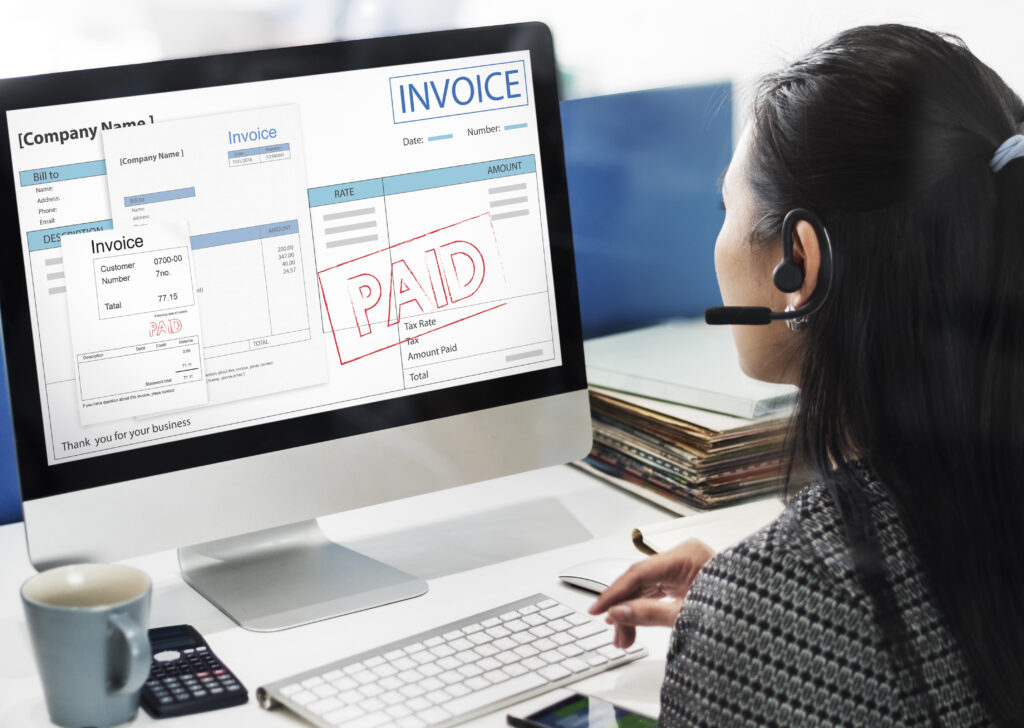
The government has introduced a new mandate for e invoicing and e reporting in France that will transform how businesses issue and exchange invoices. Under this system, all VAT-registered companies in France will be required to adopt mandatory e-invoicing in France, replacing paper invoices and simple PDFs with approved structured digital formats. The goal is to improve transparency, simplify tax reporting, and reduce fraud. This blog explains the key elements of the France e-invoicing requirements, including timelines, invoice formats, the 5-Corner Model, and the role of certified platforms, helping businesses prepare for compliance ahead of the deadlines in 2026 and 2027. What Is an “Electronic Invoice” Under the French E-Invoicing Mandate? Under the France e-invoicing mandate, only structured digital formats will be accepted as valid e-invoices in France. Traditional paper invoices or simple PDF files will no longer be sufficient. Businesses must now issue invoices in approved electronic formats that comply with European standards to meet the mandatory e invoicing requirements in France. The French tax authority (DGFIP) has confirmed formats the following as acceptable formats: Factur-X UBL 2.1 CII PeppolBIS EDIFACT Timeline for Mandatory E Invoicing in France The rollout of mandatory e invoicing in France will take place gradually: From 1 September 2026: Large companies and mid-cap companies must issue electronic invoices. From 1 September 2027: Small and medium-sized enterprises (SMEs) and micro-enterprises must also comply. The French government has noted that the France e invoicing deadline may be extended by up to six months if necessary. Scope of E Invoicing in France The new rules apply to all B2B transactions in France between VAT-registered companies. The e-invoicing requirements in France cover: The sale of goods or services in France from one taxable business to another that is not exempt from VAT. Advance payments made for these operations. Public auctions of second-hand goods, works of art, collectors’ items, and antiques. New Mandatory Invoice Details Starting from September 2026 (for large and mid-cap companies) and September 2027 (for SMEs and micro-enterprises), new information must be included on all invoices. These mandatory particulars are: The SIREN number of the business. The delivery address of the goods (if different from the customer’s address). An indication of whether the invoice relates solely to goods, solely to services, or to a mix of both. A note if VAT is payable on a debit basis, where the supplier has opted for this regime. Business Obligations Under the French E Invoicing Mandate In addition to domestic invoices, companies must also comply with e reporting requirements in France by transmitting the following to the tax authority in near real-time: Cross-border B2B invoices (imports and exports). B2C receipts (domestic and cross-border). Payment statuses for B2B and B2C service transactions. Unlike domestic B2B invoices, which must follow a structured format, these cross-border and B2C documents can still be issued as PDFs or other formats. However, the transaction data must still be reported in a structured format. Securing and Preserving Electronic Invoices To ensure compliance and authenticity, the 2023 French Finance Law authorizes the use of qualified electronic seals. This seal serves three purposes: Guaranteeing the authenticity of the origin of the invoice. Ensuring the integrity of the content. Preserving the legibility of the document. In practice, the seal certifies that the invoice was created by the legitimate issuer. Additionally, French law requires that all electronic documents, including invoices, must be kept in electronic format for ten years, starting from the date of issuance. Transition to the 5-Corner Model The 5-Corner Model Explained Here’s how the 5-Corner Model works: The supplier (seller) creates an invoice. Instead of sending it straight to the buyer, the invoice first goes to the supplier’s PDP (Partner Dematerialization Platform). The buyer also has a PDP, which receives the invoice on their behalf. While passing through the PDPs, the invoice data is also reported to the French government’s platform (PPF) for tax purposes. If the buyer doesn’t have a PDP, the PPF itself forwards the invoice to them. That’s why it’s called a 5-corner model. How It Differs from Other Models There are 3 kinds of traditional models that can be used for invoicing Interoperability Model: Businesses exchange e-invoices through their service providers, who interconnect with others. This promotes flexibility but offers limited tax authority oversight. Centralized Model: All invoices pass through a single government platform, giving tax authorities full visibility but leaving less room for private-sector innovation. Decentralized Model (CTC-based): Certified service providers validate and transmit invoices to both trading partners and the tax authority. This shifts responsibility from the government to private providers. The 5 corner model is essentially a hybrid that makes sure invoices move securely between companies while the tax office automatically gets the information it needs, without businesses having to send it twice. This structure places significant responsibility on service providers, while reducing the administrative load on the tax authority. By relying on PDPs for invoice distribution and compliance reporting, the government ensures consistency, while businesses benefit from the innovation and automation offered by the private sector. Role of Peppol and DCTCE Peppol is an international network for exchanging e-invoices and other business documents. It traditionally follows a 4-corner model, where service providers (Access Points) send invoices in the Peppol BIS format. While Peppol is mandatory in some European countries, in France it is being adapted into a more advanced CTC (Continuous Transaction Controls) model. This upgraded system, also known as the Decentralized CTC and Exchange (DCTCE) model, ensures that transaction data is reported in real time to the tax authority. France’s approach combines this decentralized model with centralized elements, creating a unique hybrid system for mandatory e-invoicing and e-reporting in France. You can read more about their functioning and country specific requirements here. Role of PDPs To meet the mandatory e invoicing in France, businesses must work with a certified Partner Dematerialization Platform (PDP). The role of PDPs include: Transmitting e-invoices and lifecycle statuses to the government platform (PPF). Exchanging invoices between PDPs: If both parties use different
Audit Requirements in Singapore vs France: Key Differences

Understanding the differences in audit requirements is essential for any multinational business seeking compliance, transparency, and investor confidence. In this blog we compare the auditing requirements in Singapore and France. Regulatory Bodies and Audit Frameworks Both France and Singapore have well-established regulatory systems that ensure the integrity and transparency of financial reporting. Auditing in France In France, the audit profession is regulated by the Haut Conseil du Commissariat aux Comptes (H3C), which ensures the quality and independence of auditors. Audits are performed in accordance with the Normes d’Exercice Professionnel (NEP), developed under the authority of the H3C. As France operates under a civil law system, audit obligations and professional standards are clearly defined and codified in legislation. Auditing in Singapore In Singapore, the Accounting and Corporate Regulatory Authority (ACRA) oversees the audit profession and enforces compliance with national auditing requirements. Auditors follow the Singapore Standards on Auditing (SSAs). Unlike France, Singapore operates under a common law system, placing greater emphasis on principles, professional judgment, and sound corporate governance practices. Despite these differences in auditing requirements, both frameworks aim to promote transparency, reliability, and trust in financial information. Auditing Process In both France and Singapore, the purpose of auditing is the same: to verify the accuracy of financial statements, ensure transparency, and strengthen confidence in a company’s financial reporting. This means that auditors in both countries focus on confirming that the financial statements present a true and fair view of the company’s financial position in accordance with the respective national auditing standards. Throughout the audit process, they are also required to remain fully independent and objective to maintain the integrity of their opinion. Both jurisdictions also require auditors to report any irregularities they identify during their work, although the approach differs. In France, auditors have a formal procédure d’alerte (alert procedure), which obliges them to inform the company’s management and, if necessary, the commercial court when they detect irregularities that could threaten the company’s going concern. Similarly, under the Companies Act, auditors in Singapore are required to report to the Accounting and Corporate Regulatory Authority (ACRA) if they suspect that a company has committed an offence under the Act. This includes instances of fraud or misrepresentation in financial statements. Additionally, French auditors play a broader role beyond the annual audit of financial statements. They may be appointed to perform specific assignments such as verifying the value of contributions during mergers, transformations, or capital increases. Statutory Auditing Requirement Thresholds Criteria France Singapore Audit Requirement Trigger All companies which meet 2 of the 3 conditions below need to do a statutory audit: • Total annual revenue > S$10 million • Total assets > S$10 million • Number of employees > 50 Proprietary company considered “large” if it meets 2 of 3 thresholds: • Revenue: ≥ AUD 50 million • Gross assets: ≥ AUD 25 million • Employees: ≥100 Audit Obligation All companies are required to appoint an auditor unless they are considered a small company, in which case they are exempt. Large proprietary and all public companies must prepare audited financial reports. Small proprietary companies only if directed by ASIC or shareholders. A company is considered a small company if – a. it is a private company in the financial year in question; and b. it meets at least 2 of 3 following criteria for immediate past two consecutive financial years: i. total annual revenue ≤$10m; ii. total assets ≤ $10m; iii. no. of employees ≤ 50 Lower Thresholds for Subsidiaries Applies when controlled by an entity already audited: • Balance sheet: €2.5 million • Turnover: €5 million • Employees: >25 Charities: • Gross income or expenditure > S$500,000 → audited by a public accountant • S$250,000–S$500,000 → examined by a qualified independent person or audited • ≤ S$250,000 → examined by a competent independent person or audited Institutions of a Public Character (IPCs): Audited by a public accountant, regardless of income. Charities as Companies Limited by Guarantee (CLGs): Accounts must be audited, regardless of income. Other Entities that need to conduct an Audit Non Profits are required if annual donations + subsidies exceed €153,000 or if recognized as public utility, issue bonds, or provide microloans. Companies limited by guarantee: • Revenue < AUD 1 million → audit or review • Revenue ≥ AUD 1 million → audit mandatory Public Companies All public limited companies (Société Anonyme – SA) require audits regardless of size. All public companies must prepare audited financial reports and lodge them with the Accounting and Corporate Regulatory Authority (ACRA). Filing / Submission Timeline Financial statements filed annually with the Greffe du Tribunal de Commerce. Annual Return must be filled within 7 months after the end of the company’s financial year. You can read more about audit requirements in France on our dedicated blog post. Auditor Appointment Appointment of an Auditor in France In France, a statutory auditor (commissaire aux comptes) can be appointed either directly in the company’s founding documents (statuts) or later by a resolution passed at a general shareholders’ meeting. If an auditor has not been appointed or a vacancy arises due to resignation or dispute, the commercial court may designate one to ensure compliance with audit obligations. Compliance with the audit law in France requires companies to appoint both a principal (titular) auditor and an alternate auditor, who steps in if the primary auditor is unable to perform their duties. Auditors must be selected from the official registry maintained by the Haut Conseil du Commissariat aux Comptes (H3C). Rotation rules: Public Interest Entities (PIEs) are required to change their audit firms every 10 years. This rotation period can be extended up to 24 years if the audit firm is appointed through a competitive tender process, ensuring that companies periodically reassess and select their auditors transparently. For companies that are not classified as PIEs, auditors are typically appointed for a term of 6 years, but there is no strict requirement for mandatory rotation. You can read more about mandatory rotation of auditors in France here. Appointment
Dropshipping Legal Requirements in France and VAT Rules

Dropshipping in France offers entrepreneurs an attractive way to start an online business without major upfront investment. However, success depends on strict compliance with French and EU laws. From dropshipping legal requirements to VAT thresholds and the Finance Act of 2024, understanding legislation is essential to operate safely and sustainably. What is Dropshipping? Dropshipping in France is a form of online retailing that sits between two sales models: Traditional e-commerce (distance selling): where a retailer sells products directly to the customer through their own online store. Marketplace model: where platforms such as Amazon or eBay act as intermediaries, connecting third-party sellers with end customers without being the direct sellers themselves. In the case of dropshipping, the dropshipper is legally regarded as the final seller. They are responsible for the commercial transaction with the customer, even though they never handle the stock themselves. Instead, the supplier manages inventory, packaging, and shipping. The dropshipper only places the order with the supplier once a customer has made a purchase. Dropshipping Legal Requirements in France If you are wondering “is dropshipping legal in France?” the answer is yes, but there are several dropshipping legal requirements that entrepreneurs must follow to remain compliant. Below are the key requirements. Legal Notices on the Website The first step when launching a dropshipping business in France is to include mandatory legal notices on the website. This ensures transparency by clearly identifying the person or company behind the online store. The information that must include: Full identity of the business owner: name, postal address, phone number, email, legal structure, and share capital (if applicable). Identity of the web hosting provider. Information about cookies. Details about how personal data is collected and used (GDPR compliance). General Terms and Conditions of Sale (T&Cs) Another key requirement under legislation on dropshipping in France is publishing clear and accessible General Terms and Conditions of Sale (GTC). These regulate the commercial relationship between seller and buyer and are mandatory under Article L111-1 of the French Consumer Code. The T&Cs must include: Pricing and payment terms. Delivery and return policies. Legal guarantees. The 14-day withdrawal right (mandatory under EU law). They must also be written in a way that is “readable and understandable,” and be easily accessible to customers (ideally from the homepage). Dropshipping Contract with Suppliers To avoid disputes, it is strongly recommended to establish a dropshipping contract with your suppliers. This document defines the obligations of both parties, such as product quality, delivery times, and liability in case of issues. Without a written agreement, resolving conflicts, especially with foreign suppliers, can be extremely difficult. Negotiating clear clauses upfront helps secure your business and protect your customers. Can You Get in Trouble for Dropshipping in France? While dropshipping in France is legal, it can lead to serious penalties if carried out in violation of consumer protection laws. According to legislation on dropshipping in France, this business model becomes illegal when it involves unfair or deceptive practices. When is Dropshipping Considered Illegal? Under Article L.121-1 of the French Consumer Code, an unfair commercial practice is defined as conduct that goes against professional diligence and misleads or pressures consumers into making purchasing decisions they otherwise would not have made. Dropshipping may be penalized if it falls under: Deceptive practices: such as misleading product descriptions, fake claims about product quality, or creating confusion with another brand. Aggressive practices: including repeated solicitation or applying undue pressure on consumers. Lack of transparency: for example, when the seller hides their identity, fails to provide clear general terms and conditions, or does not comply with consumer law obligations. Penalties for Illegal Dropshipping The consequences of operating outside the law can be severe. Unfair commercial practices can result in fines of up to €300,000 and two years of imprisonment for individuals, or up to €1.5 million for companies. Failure to display mandatory legal notices or non-compliant T&Cs may lead to one year of imprisonment and fines up to €75,000. The DGCCRF (French consumer watchdog) has already flagged several abusive practices linked to dropshipping, including: Fake customer reviews. Misleading claims about product characteristics. Reference prices that do not reflect actual market prices. False or exaggerated promotional offers. These examples demonstrate that although dropshipping legal requirements are straightforward, non-compliance can quickly escalate into legal trouble. VAT Rules for Dropshipping and Distance Selling in France When considering how to legally start a dropshipping business in France, understanding your tax obligations is essential. VAT applies to all forms of distance selling in France, including both traditional e-commerce and dropshipping in France. Regardless of whether you are a registered business or an individual entrepreneur, you are responsible for declaring and paying VAT. VAT Rules for Distance Sellers in the EU Since 1 July 2021, the VAT One Stop Shop (OSS) scheme has made it easier for e-commerce and dropshipping businesses to comply with EU tax rules. Here’s how it works: Sales below the EU threshold: Businesses declare and pay VAT in their home country (for example, a French business charges and pays VAT in France). Sales above the threshold: Once sales exceed the set limit, VAT must be declared in the customer’s country of residence (for example, a French dropshipper selling to a customer in Germany must pay VAT in Germany). All declarations can be filed through the OSS portal, which centralizes reporting obligations. The Finance Act of 2024: Key Measures for Dropshipping in France To address the rapid growth of e-commerce and new business models like dropshipping, the government introduced the Finance Act of 2024. This law establishes stricter rules and reporting obligations for distance sales, especially when goods are imported from non-EU countries. Dropshipping and VAT Avoidance Previously, many online sellers attempted to avoid VAT by sourcing products directly from suppliers in non-EU countries and shipping them straight to French customers. The Finance Act of 2024 closes this loophole. According to Article 112, I-A and G, when the conditions for import taxation are not met, VAT becomes payable in France and must be covered
Audit Requirements in Australia vs France: Key Differences

Understanding the differences in audit requirements is essential for any multinational business seeking compliance, transparency, and investor confidence. In this blog we compare the auditing requirements in Australia and France. Regulatory Bodies and Audit Frameworks Both France and Australia have well-established regulatory systems that ensure the integrity and transparency of financial reporting. Auditing in France In France, the audit profession is regulated by the Haut Conseil du Commissariat aux Comptes (H3C), which ensures the quality and independence of auditors. Audits are performed in accordance with the Normes d’Exercice Professionnel (NEP), developed under the authority of the H3C. As France operates under a civil law system, audit obligations and professional standards are clearly defined and codified in legislation. Auditing in Australia In Australia, the Australian Securities and Investments Commission (ASIC) oversees the audit profession and enforces compliance with national auditing requirements. Auditors follow the Australian Auditing Standards (ASAs), which are based on the International Standards on Auditing (ISA). Unlike France, Australia applies a common law system, placing greater emphasis on principles, professional judgment, and sound corporate governance practices. Despite these differences, both frameworks aim to promote transparency, reliability, and trust in financial information. Auditing Process In both France and Australia, the purpose of auditing is the same: to verify the accuracy of financial statements, ensure transparency, and strengthen confidence in a company’s financial reporting. This means that auditors in both countries focus on confirming that the financial statements present a true and fair view of the company’s financial position in accordance with the respective national auditing standards. Throughout the audit process, they are also required to remain fully independent and objective to maintain the integrity of their opinion. Both jurisdictions also require auditors to report any irregularities they identify during their work, although the approach differs. In France, auditors have a formal procédure d’alerte (alert procedure), which obliges them to inform the company’s management and, if necessary, the commercial court when they detect irregularities that could threaten the company’s going concern. In contrast, Australia does not have a structured alert mechanism; however, auditors are legally required to report significant breaches or suspected misconduct to the Australian Securities and Investments Commission (ASIC). Additionally, French auditors play a broader role beyond the annual audit of financial statements. They may be appointed to perform specific assignments such as verifying the value of contributions during mergers, transformations, or capital increases. Statutory Auditing Requirement Thresholds Criteria France Australia Audit Requirement Trigger Mandatory if company exceeds 2 of 3 thresholds: • Balance sheet total: €5 million • Turnover (excl. VAT): €10 million • Employees: >50 Proprietary company considered “large” if it meets 2 of 3 thresholds: • Revenue: ≥ AUD 50 million • Gross assets: ≥ AUD 25 million • Employees: ≥100 Audit Obligation Large and medium-sized companies must appoint a statutory auditor (commissaire aux comptes). Large proprietary and all public companies must prepare audited financial reports. Small proprietary companies only if directed by ASIC or shareholders. Lower Thresholds for Subsidiaries Applies when controlled by an entity already audited: • Balance sheet: €2.5 million • Turnover: €5 million • Employees: >25 – Other Entities that need to conduct an Audit Non Profits are required if annual donations + subsidies exceed €153,000 or if recognized as public utility, issue bonds, or provide microloans. Companies limited by guarantee: • Revenue < AUD 1 million → audit or review • Revenue ≥ AUD 1 million → audit mandatory Public Companies All public limited companies (Société Anonyme – SA) require audits regardless of size. All public companies must prepare audited reports and lodge them with ASIC. Relief available for certain wholly owned subsidiaries (via ASIC Instrument 2016/785). Filing / Submission Timeline Financial statements filed annually with the Greffe du Tribunal de Commerce. Reports must be audited and lodged within 4 months after financial year-end (public companies). You can read more about audit requirements in France on our dedicated blog post. Auditor Appointment Appointment of an Auditor in France In France, a statutory auditor (commissaire aux comptes) can be appointed either directly in the company’s founding documents (statuts) or later by a resolution passed at a general shareholders’ meeting. If an auditor has not been appointed or a vacancy arises due to resignation or dispute, the commercial court may designate one to ensure compliance with audit obligations. Compliance with the audit law in France requires companies to appoint both a principal (titular) auditor and an alternate auditor, who steps in if the primary auditor is unable to perform their duties. Auditors must be selected from the official registry maintained by the Haut Conseil du Commissariat aux Comptes (H3C). Rotation rules: Public Interest Entities (PIEs) are required to change their audit firms every 10 years. This rotation period can be extended up to 24 years if the audit firm is appointed through a competitive tender process, ensuring that companies periodically reassess and select their auditors transparently. For companies that are not classified as PIEs, auditors are typically appointed for a term of 6 years, but there is no strict requirement for mandatory rotation. You can read more about mandatory rotation of auditors in France here. Appointment of an Auditor in Australia In Australia, an auditor may be an individual registered company auditor, a firm, or an authorised audit company. The directors of a public company must appoint an auditor within one month of registration, unless one has already been appointed at the general meeting. This appointment is then confirmed or replaced at the company’s first Annual General Meeting (AGM). For proprietary companies, the directors may appoint an auditor if one has not already been appointed by the members. Auditors remain in office until they resign with ASIC’s consent, are removed under Section 329, become ineligible, or the company is wound up. Moreover, a statutory auditor is extremely hard to get removed in Australia. The management needs to take permission of the central government after its board of directors recommends a proposal to this effect. However, this does not mean that auditors never
A Guide to EU Anti Money Laundering Laws You Can’t Afford to Ignore

This blog explores what is anti money laundering, the main requirements under the anti money laundering act in the EU, and what anti money laundering compliance looks like in practice across the EU.