
Doing Business in France: Why and How to Setup Your Business in France

Looking to expand internationally? France is one of the best countires to get access to the EU markets. Check out why and how to setup your company in France.
Understanding the Labour Law in France: Essentials for International Businesses
The labour law in France is known for being very comprehensive. This guide will take you through all the essentials you should know as an international business in France.
Best Practices for Preparing for an External Audit in France
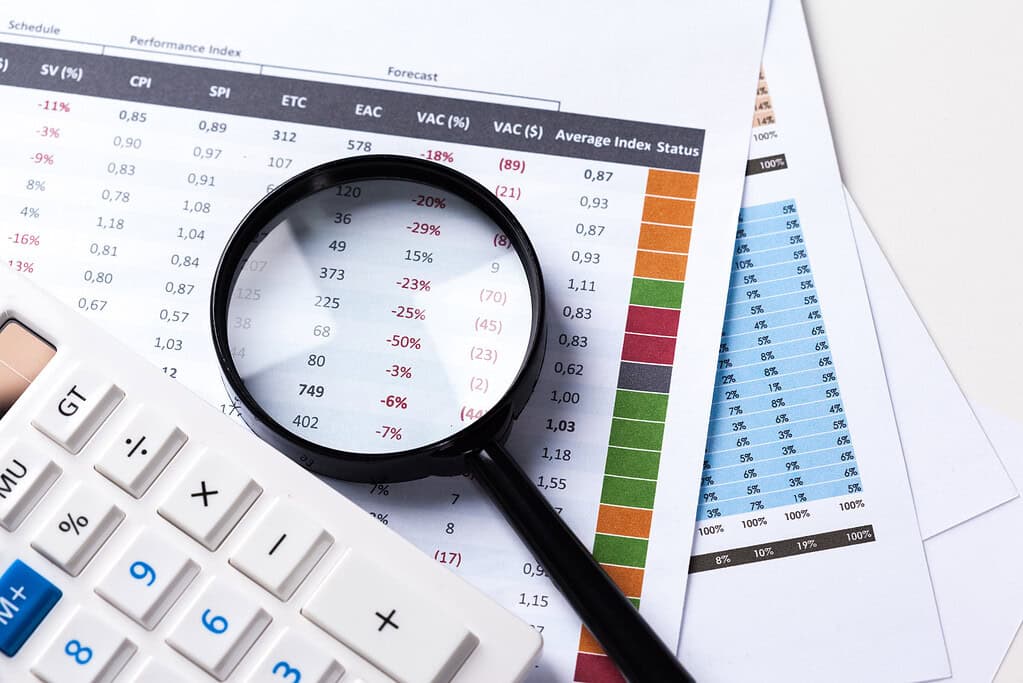
This blog outlines best practices during an audit and offers a practical checklist for preparing for an external audit.
EU Omnibus Explained: Delays, Threshold Changes, and What Comes Next

In this article, we break down the core elements of the CSRD Omnibus, including the new compliance timelines, updated reporting thresholds, and what these changes mean for companies navigating the EU’s evolving ESG reporting regime.
Business Opportunities in France for New Zealand Exporters
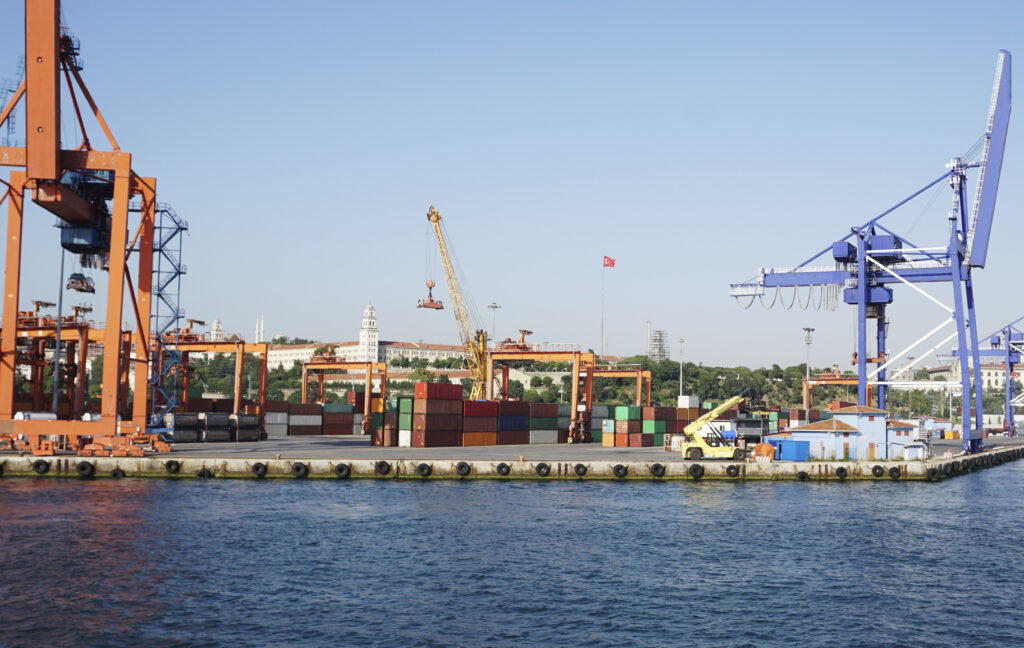
Business opportunities in France are rapidly emerging as one of the best ways to setup base in the EU for New Zealand. The recently signed EU-NZ Free Trade Agreement (EU-NZ FTA) makes this expansion even more attractive by removing tariffs, simplifying regulations, and opening access to one of the world’s largest economic regions. For businesses looking to gain a competitive edge in Europe, France offers the perfect combination of strategic location, mature infrastructure, and policy support. Key Benefits of EU-NZ FTA The Free Trade Agreement between New Zealand and the European Union (EU-NZ FTA), which came into effect on 1 May 2024, has significantly improved trade conditions. Tariff Reductions on Exports From day one, tariffs were removed on 91% of New Zealand’s goods exports to the EU, with this figure set to reach 97% over a seven-year period, greatly enhancing market access and price competitiveness for New Zealand exporters. As per myNZTE’s economic modeling estimates by 2035 the NZ-EU FTA could increase exports to the EU by up to $1.8 billion per year and generate an extra $1.4 billion to New Zealand’s GDP per year. Specific Goods Benefiting from the EU-NZ FTA Horticulture: Kiwifruit, onions, apples, and other horticultural products enter the EU duty-free from day one. Fish and Seafood: Tariffs eliminated immediately on nearly all fish products and Shellfish. Remaining tariff lines will be fully eliminated over time, reaching 100% at full implementation. Wine: All wine exports, including sparkling and still varieties, are tariff-free from day one. Honey: Mānuka honey tariffs eliminated immediately. Other honey types tariffs will be phased out over 3 years until full elimination. Manufactured Goods: Nearly all manufactured exports are duty-free from the start. Additionally, the remaining tariffs will reach 100% elimination at full implementation. Benefits for Service Providers The EU-NZ Free Trade Agreement introduces commitments that give New Zealand service providers more secure and competitive access to the EU market, aligning their treatment with that of the EU’s existing trading partners. For example, New Zealand education service providers can now offer a broader range of services, including language, sports, and recreational education within the EU. Moreover, New Zealand and the EU have agreed to commitments on a broader range of aviation services, including commitments on delivery, telecommunications, financial services, and international maritime transport. The agreement includes contractual service supplier provisions, enabling experts from both sides to operate in each other’s markets. This promotes skills transfer, workforce development, and greater service delivery flexibility for New Zealand firms operating in Europe. Benefits for Investors NZ’s investment screening threshold will be raised to NZ$200 million, aligning with thresholds offered to other key FTA partners. But the Overseas Investment Act framework remains in place. However, the agreement does not include investor-state dispute settlement (ISDS) mechanisms, reflecting New Zealand’s longstanding opposition to ISDS clauses. The FTA removes performance requirements such as: Export quotas or restrictions Mandatory local headquarters Enforced levels of R&D spending Obligatory local employment quotas Improved market access rules mean greater flexibility for investors, including: No restrictions on the type of legal structure or joint venture model foreign investors may choose Simplified entry for EU investors into a wide range of economic activities in New Zealand Movement of People for Business The FTA includes a dedicated annex on the movement of businesspersons, ensuring more predictable access and application procedures for professionals. The agreement outlines specific commitments for these categories: Intra-corporate transferees Independent professionals Business visitors Contractual service suppliers Additionally, Specialist staff are allowed to stay in the EU for up to 3 years, supporting long-term assignments and knowledge transfer. Business visitors entering for establishment purposes can stay for up to 90 days within a 6-month period, streamlining short-term setup or negotiation activities. These provisions make it easier for New Zealand businesses to send personnel to the EU, facilitating smoother cross-border operations and project delivery. Why Choose France? Choosing the right launchpad in Europe is critical to export success. France stands out as one of the top choices for New Zealand exporters due to several key advantages: Geographical Location & Market Reach Centrally positioned in Western Europe with land borders to 8 EU countries. Home to Europe’s second-largest consumer market, after Germany. Fast, multimodal transport access via high-speed rail, airports, and major ports (Le Havre, Marseille, etc.). Economic Strength France is the 7th-largest economy in the world by GDP. Member of both the Eurozone and Schengen Area, simplifying movement of goods, people, and capital. Political stability and a well-developed legal system enhance business confidence. Member of the Schengen Area and Eurozone — Streamlined Operations Schengen Area membership allows passport-free movement across 26 EU countries, facilitating business travel and expansion. Faster cross-border logistics thanks to reduced customs checks and harmonized transport rules. Eurozone membership means France uses the euro, simplifying transactions with other EU nations. This reduces foreign exchange risk and simplifies cross-border invoicing and payments. Funding & Startup Ecosystem Innovative New Zealand businesses launching in France can tap into generous R&D tax credits and financial support. The government-backed La French Tech initiative offers resources, tax incentives, and entry points for international startups. Station F, located in Paris, is the largest startup campus in the world and welcomes founders globally. Many regional French authorities offer additional support programs and funding to attract international tech talent and investment. Business Opportunities in France for New Zealand Exporters by Sector Food & Beverage Top F&B exports from New Zealand to France include lamb, seafood, apples, kiwifruit, and wine. Seafood: France ranks as the 9th-largest destination for New Zealand seafood, mainly frozen hoki, mussels, orange roughy, and processed fish meat. Wine: New Zealand wines have established a niche in the French market, particularly within foodservice channels and specialty retail outlets. Consumer trends: Strong demand for organic, ethical, and sustainably sourced food products makes France an ideal market for New Zealand producers with eco-conscious branding. Specialised Manufacturing France offers growing demand for innovative manufacturing solutions, including: Construction and building materials Marine equipment Automotive and aviation parts Food processing machinery Plastics and packaging Success
Statutory Audit Requirements in France: Who Needs One and What to Expect?

This guide will walk you through the statutory audit requirements in France, including who needs to conduct an audit, the applicable thresholds and what a French audit typically involves.
What Global Companies Need to Know About French GAAP?

This guide helps foreign firms understand French GAAP, how they differ from international standards like IFRS, and what to expect in terms of reporting obligations.
Essential Tax & Accounting Obligations for a Foreign Established Firm in France

Find the two main ways a foreign company can have an established firm in France and explain the key compliance obligations that follow.
Key Tax Obligations Non-Established Firms in France Must Know (ESEFs)
Find out the key tax obligations for non-established foreign companies in France, including when you need to register for VAT, who must appoint a tax representative, and how to manage payroll and auditing requiremnts.