

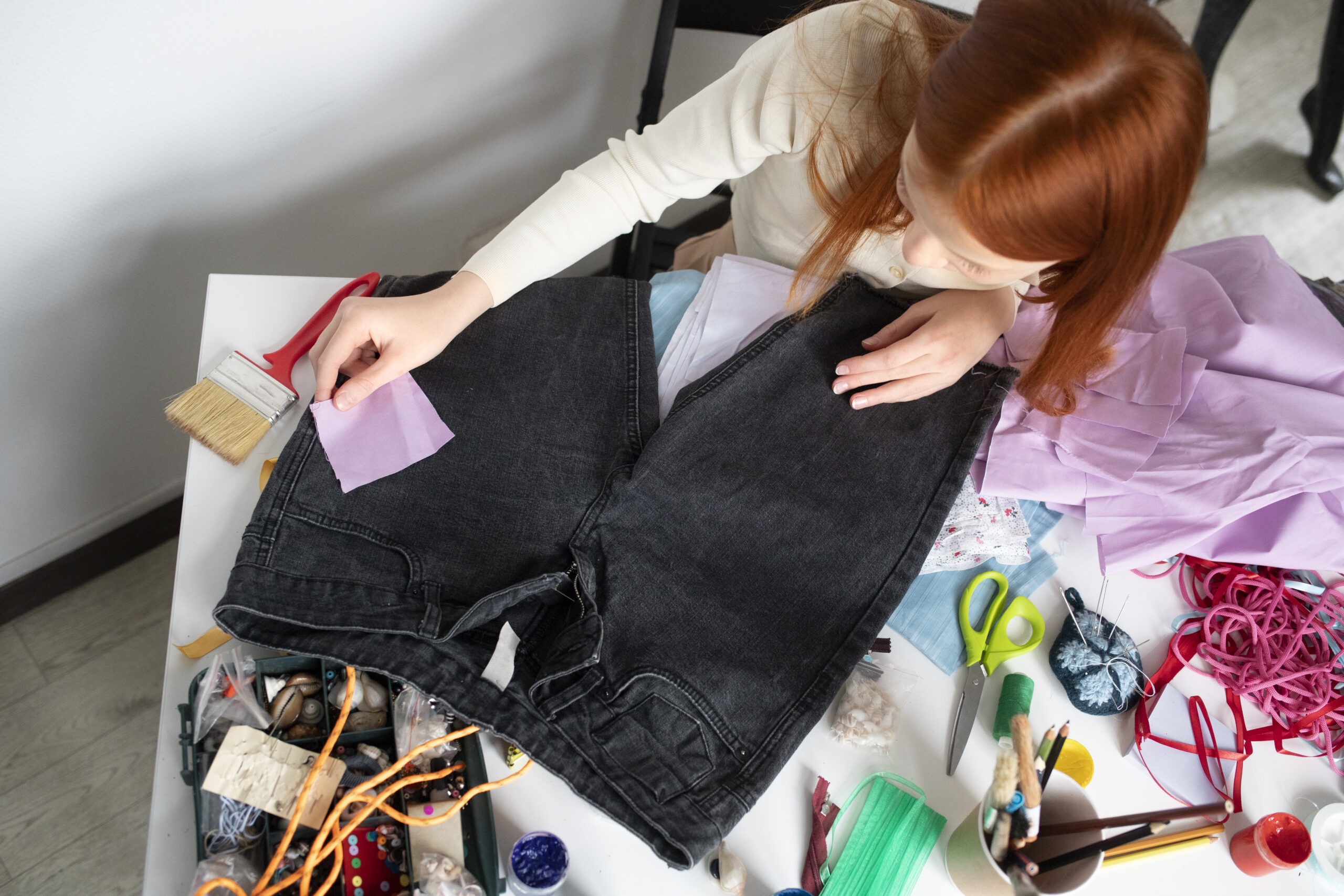
Upcycling luxury brands has become one of the most exciting trends in today’s sustainable economy. It transforms old, unwanted, or unsold products into something new and more valuable. From turning vintage jeans into handbags to reworking luxury scarves into accessories, upcycling appeals to both environmentally conscious consumers and creative entrepreneurs.
But while the environmental and artistic benefits are clear, the legal risks are not always as obvious. Many upcyclers face a difficult question: is upcycling legal? At what point does creative reuse of branded items cross the line into trademark infringement or even counterfeiting?
What Is Trademark Infringement?
Trademarks protect the symbols, names, and logos that allow consumers to identify the source of goods. In France, Article L.713-2 of the Code de la Propriété Intellectuelle prohibits the use of a registered mark in commerce without the owner’s consent.
In practice, infringement occurs when:
- The mark is used without authorization,
- In a way that creates confusion about origin, endorsement, or quality.
The Principle of Exhaustion
France and the EU follow the principle of exhaustion of rights, which is similar to the “first sale doctrine” in other countries.
This means: once a branded product is put on the market in the EU/EEA with the consent of the trademark holder, the trademark owner’s control over resale of that particular product is exhausted.
Example: Buying a genuine Nike shoe in Paris and reselling it second-hand on Vinted is perfectly legal.
However, exhaustion does not cover modifications. The protection applies to resale of the same product, not a new product derived from it. If the item is materially altered, and especially if the logo remains visible, exhaustion no longer applies.
When is Upcycling Legal?
Upcycling luxury brands does not automatically equal infringement. There are situations where it can be done legally and responsibly:
- Resale of unaltered goods – Selling second-hand branded items in their original form is allowed under exhaustion.
- Upcycling without visible trademarks – Transforming old clothes into patchwork textiles, where logos and brand names are no longer identifiable.
- Private or artistic use – Personal projects or one-off creations not placed on the market.
- Marketing under your own brand – Emphasizing your own creative identity, not the original brand’s, avoids confusion.
When Upcycling Becomes Infringement
The risk arises when consumers could be misled into thinking the upcycled luxury goods are still connected to the original brand. In particular:
- Visible logos remain: If a Louis Vuitton bag is cut into smaller wallets that still display the “LV” monogram, the new products may appear endorsed by LV.
- Minimal alteration: If the item looks almost the same as the original but is resold as “custom” or “reworked,” confusion is likely.
- Use of brand names in marketing: Phrases like “Upcycled Gucci bracelet” use the trademark commercially and may imply endorsement.
- Damage to brand reputation: If the upcycled product is of lower quality or inconsistent with the brand’s image, courts may find infringement even if disclaimers are used.
Case Law Examples of Upcycled Luxury Goods
Chanel v. Shiver + Duke (US, 2021)
A jewelry company turned genuine Chanel buttons into earrings and necklaces, selling them as “upcycled Chanel jewelry.”
The court sided with Chanel, ruling that:
- The first sale/exhaustion doctrine did not apply because the products were materially altered.
- Keeping the Chanel logo visible created a risk that consumers would believe Chanel endorsed the items.
Key takeaway: Even when using authentic materials, transforming them into new products that display the original trademark can be trademark infringement.
Practical Tips for Upcyclers
If you are considering selling upcycled luxury goods, or any upcycled products, here are steps to reduce legal risks:
- Avoid visible logos – Remove or cover any trademarks when repurposing.
- Market under your own brand – Emphasize your creativity instead of piggybacking on another brand’s reputation.
- Be transparent – If you mention original materials, use clear disclaimers such as “Made from upcycled materials. Not affiliated with [Brand].”
- Focus on transformation – The more the item is creatively reworked, the stronger the argument it is a new product of your own.
- Consult an IP lawyer – If you plan to scale, professional advice is essential, particularly since luxury brands are aggressive in litigation.
Upcycling is a valuable part of the circular economy, supported by environmental goals and increasingly demanded by consumers. Yet, the legal framework in France and the EU shows that trademark rights remain a barrier when branded items are reused in ways that could confuse consumers or damage a brand’s reputation.
The safest approach for upcyclers is clear: build your own creative identity, avoid visible logos, and respect the boundaries of trademark law. This way, upcycling can thrive as a force for sustainability without crossing into infringement.